Enhance Your Outdoor Environment: Professional Landscaping Advice for a Beautiful Residential Garden
Turning an outdoor space into a beautiful residential landscape requires thoughtful strategy and intentional execution. By evaluating the features of a yard, residents can define clear landscaping goals. Choosing plants that suit the local climate is vital. Furthermore, incorporating practical landscape features enhances both visual appeal and usability. Yet, the undertaking doesn't conclude there. Learning how to maintain beauty and sustainability can take any landscape to greater heights. What methods ensure long-term success?
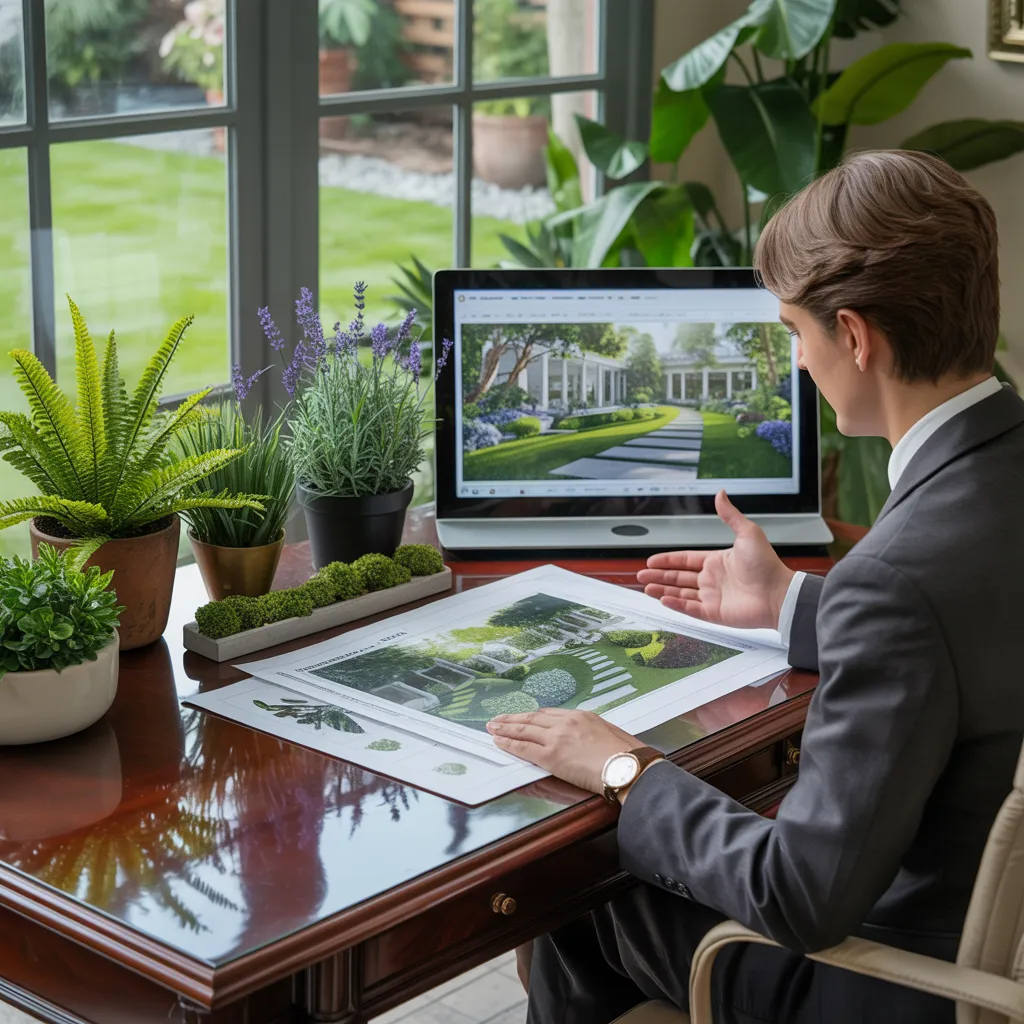
Analyze Your Yard to Set Your Landscape Design Goals
Before starting on any landscaping project, it is essential for homeowners to assess their exterior environment completely. This first assessment allows them to understand the distinct features of their property, such as sunlight exposure, ground composition, and current plants. Identifying these factors assists with deciding which landscape features can be effectively integrated into the space.
Homeowners should record dimensions and document any barriers including trees, barriers, or pathways that may affect the design. Moreover, understanding personal preferences and living requirements—including areas for entertainment, gardening, or relaxation—can guide the garden objectives. By clearly defining these objectives, property owners establish a strong base for a cohesive and functional exterior space. This thoughtful assessment ultimately leads to a more successful and satisfying garden renovation, ensuring that the outdoor space not just improves the property's appearance but also meets the practical needs of its residents.
Select the Best Plants for Your Local Climate
Picking the right plants for a specific climate is important for establishing a thriving outdoor space. Understanding local weather patterns, including heat levels, precipitation, and moisture levels, enables property owners choose vegetation that will thrive. Indigenous vegetation often adapt best, requiring less maintenance and water. For example, drought-resistant varieties are perfect for arid regions, while water-preferring plants thrive in humid climates.
Gardeners should additionally take into account climate shifts; selecting vegetation that offers continuous appeal enhances the garden. Early bloomers, summer perennials, and vibrant fall foliage can create a striking visual display. Additionally, consulting neighborhood nurseries or extension services can provide valuable insights into hardy plant varieties suited to specific conditions.
In the long run, a strategically designed plant selection improves not just visual appeal but additionally promotes local wildlife and supports environmental sustainability, making it a wise choice for any outdoor space transformation.
Improve Your Garden Using Functional Hardscaping Features
Functional hardscaping elements act as vital components in shaping exterior areas and enhancing their usability. By adding seating zones and professionally planned walkways, homeowners can create inviting environments that encourage comfort and mobility. Additionally, edging can establish different zones within the garden, adding structure and visual interest.
Establish Your Outdoor Setting
Creating a well-defined outdoor space can convert a yard into an inviting retreat. One proven method to achieve this is through practical hardscape features, which establish structure and organization. Walkways made from brick or stone guide guests while enhancing aesthetics. Support walls can establish layered heights, enhancing the garden's overall design and stopping soil loss. Barriers or lattices can delineate boundaries, providing privacy and a sense of enclosure. Adding elevated planting areas not only establishes growing zones but also makes them more accessible. These elements work harmoniously to create distinct zones that enhance both aesthetics and functionality. Ultimately, a well-defined outdoor space fosters a serene environment where homeowners can unwind and appreciate the outdoors.
Include Sitting Spaces
Incorporating sitting zones into an outdoor space greatly maximizes its functionality and charm. By incorporating practical hardscape features, homeowners can create inviting spots for rest, gathering, or appreciating the outdoors. Options include benches, patio sets, or hammocks, each contributing to the garden's aesthetic and comfort. Deliberately positioning chairs near key features like garden beds or water installations, encourages users to engage with their surroundings. Additionally, using materials like stone or wood can complement the garden's design, creating design harmony. Shade structures, such as garden structures or sun shields, deliver relief during summer seasons, making these areas usable year-round. Ultimately, thoughtfully created sitting zones transform an ordinary garden into a welcoming retreat for family and friends.
Create Walkways And Edges
Borders and pathways function as essential elements in outdoor landscaping, directing explorers throughout the garden while reinforcing its design strength. They foster organization and flow, enabling the differentiation of distinct spaces and planting types. Brick, stone, or gravel options can build permanent passages, while borders derived from decorative screens or vegetation boost aesthetic appeal. Pathways can inspire discovery, drawing focus to features like planted zones or aquatic elements. Well-maintained borders prevent weed encroachment and ground deterioration, supporting garden health. When combined, pathways and borders enhance usability while enriching visual beauty of your outdoor area, transforming spaces into more welcoming and pleasant environments.
Establish Movement With Walkways and Seating Spots
A well-planned garden setting typically includes a balanced circulation established through deliberately situated walkways and rest zones. Walkways direct guests across the garden, providing a definite sense of orientation while enriching the general visual quality. Selecting options such as wood, stone, or gravel can add to the walkway's aesthetic value and ensure longevity.
Seating areas provide rest points, inviting guests to pause and appreciate the surroundings. Strategically positioning seating near focal points, such as a fountain or a flower bed, encourages interaction with the landscape. The choice of seating—benches, chairs, or even hammocks—can influence the atmosphere, whether it be casual or formal.
Blending pathways and seating zones creates an appealing atmosphere, improving practicality and satisfaction. Used together, they form a fluid movement across multiple regions of the garden, inspiring wandering and peace, finally converting any outdoor location into a serene hideaway.
Infuse Your Garden With Seasonal Color and Texture
To boost the decorative value of a garden, strategic selection of seasonal species is vital. Mixing contrasting surface qualities can establish dimension and appeal, while intentionally positioned centers of interest can grab focus and establish a harmonious arrangement. These components in combination promise a vibrant and active outdoor area across the year.
Choose Garden Plants by Season Wisely
Choosing plants for different seasons wisely can transform any garden into a vibrant tapestry of color and texture. By selecting plants that bloom at different times throughout the year, gardeners can guarantee a continuous display of beauty. Spring bulbs, summer-flowering plants, fall perennials, and cold-season evergreens each add distinctive colors and shapes to the landscape. It is important to consider regional weather patterns and soil composition, as well as the plants' growth habits. Regional native plants often thrive better and require less maintenance, enhancing biodiversity. Additionally, combining plants with varying heights and bloom times can achieve an engaging visual presentation. Ultimately, thoughtful selection fosters a landscape that changes with seasonal shifts, delivering enjoyable displays throughout all seasons.
Create Layered Textures To Achieve Depth
Creating dimensional depth involves layering textures that complement and enhance seasonal color. By incorporating a variety of plants with differing foliage shapes, sizes, and colors, one can craft a compelling landscape. For instance, the use of broad-leaved plants alongside fine-textured grasses can create contrast and intrigue. Additionally, integrating bark, stones, and other natural materials introduces tactile elements that enrich the overall experience. Seasonal blooms should be thoughtfully placed to provide bursts of color throughout the year, sustaining visual richness at every level. This intentional layout not only draws the eye across the garden but also fosters an immersive atmosphere where each element enhances the garden's beauty and unity.
Feature Design Elements Deliberately
Strategically incorporating focal points can substantially elevate a garden's design appeal view resource and seasonal dynamism. These focal points serve as anchors that draw the eye and create a cohesive design. Gardeners can leverage elements such as sculptures, ornamental trees, or vibrant flower beds to set up visual interest. Colorful blooms can be infused into the deliberate curation of plants with varying bloom schedules, preserving the garden's energy throughout all seasons. Textural elements also factor significantly; uniting smooth pathways with rugged surfaces or abundant greenery adds depth. By thoughtfully placing these elements, a gardener can create an inviting atmosphere that encourages exploration and appreciation, converting an area into a captivating haven.
Embrace Green Strategies to Build a Thriving Garden
Adopting eco-friendly approaches is vital for building a healthy garden that thrives in harmony with the environment. Growing specialists are advised to use naturally-occurring vegetation, which demand reduced water and attention while enhancing local fauna. Applying organic gardening approaches, including composting and natural pest solutions, can significantly lower chemical inputs, creating a more robust natural community.
Moisture-saving methods, such as drip irrigation and rainwater harvesting, improve eco-friendliness by enhancing efficient resource allocation. Mulch application not only conserves moisture but also prevents weeds, minimizing the demand for weed killers. Also, encouraging ecological diversity by incorporating a variety of plants promotes durability against insects plus diseases.
Soil quality is vital; methods like rotating crops and cover crops maintain nutrient balance minus synthetic fertilizers. By adopting such green approaches, gardeners can create a thriving environment that promotes both plants and the environment, ultimately leading to a greater horticultural experience.
Address Standard Issues to Preserve Year-Round Garden Beauty
A carefully-tended landscaped area can encounter many problems year-round, impacting its combined aesthetics plus vigor. Standard difficulties consist of pest issues, lacking minerals, plus insufficient water. Spotting pests quickly is important; plant growers should regularly check leaves for signs of damage plus handle infestations with organic pesticides or instead introducing predatory insects.
Insufficient nutrients typically show as leaf yellowing or slow growth. Performing soil examinations can help establish specific demands, allowing to enable targeted fertilization to bring back harmony. Also, guaranteeing appropriate watering is crucial; over-irrigation can cause root rot, while underwatering stresses growing things.
Seasonal shifts furthermore require changes in upkeep. Throughout winter, mulching shields root areas from cold, while the summer season might require more water and partial shade for fragile plants. By addressing such standard difficulties promptly
Can I Execute Landscape Projects Myself or Engage a Landscaper?
You can easily complete landscape designs on your own, making use of online resources and imagination. Yet, hiring a professional delivers skill, speed, and potentially superior results, particularly for advanced designs or extensive work that need expert knowledge.
What Items Are Necessary for Home Landscaping?
Important tools for home landscaping include a garden rake, garden shovel, shovel, trimming shears, garden cultivator, and a garden hose or sprinkler can. These items help efficiently caring for dirt, vegetation, and general garden upkeep, providing successful landscaping.
How Do I Preserve My Garden Area Over the Seasons?
For keeping a yard year-round, you should regularly cut back greenery, spread wood mulch for insulation, track water levels, and apply seasonal planting approaches. Also, insect control and nutrient application are essential for flourishing, vibrant plants.